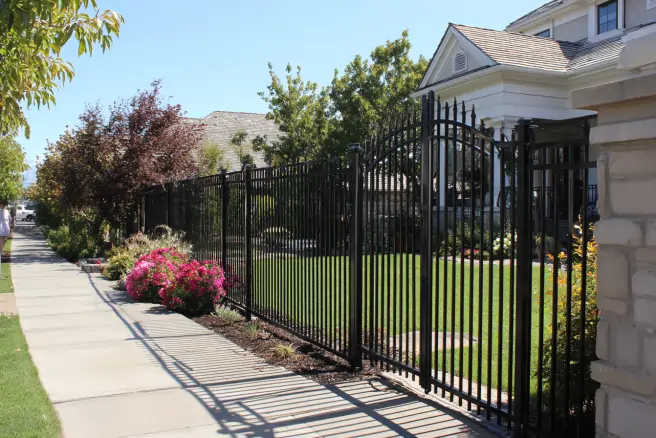
A professional fence installation process involves several well-defined stages, ensuring your fence is not only aesthetically pleasing but also durable and functional. Here’s what you should expect from start to finish when working with experts on your fencing project.
Initial Consultation and Site Assessment
The first step typically begins with an initial consultation where a professional fencing company will assess your property and discuss your specific needs. During this phase:
– Measurements are taken to determine the exact dimensions of the area requiring fencing.
– Assessments are made regarding the terrain, soil type, and any potential obstructions such as trees, utility lines, or uneven ground.
– Design preferences are discussed, including material choices, height requirements, and intended use (e.g., privacy, security, or aesthetics).
This step ensures that both you and the contractor have a clear understanding of the project scope before moving forward.
Permits and Regulations
Professional installers will help ensure that all necessary permits are acquired before beginning work. They’ll also confirm that the proposed fence complies with local zoning laws and regulations regarding height restrictions or property line setbacks. This stage may include:
– Reviewing homeowner association (HOA) guidelines if applicable.
– Identifying underground utilities to avoid accidental damage during installation.
Prepping for Installation
Before construction begins: – The site is cleared of debris or obstacles. – Markers are placed along property lines. – Posts are staked to provide accurate placement during installation.
Proper preparation minimizes disruptions during construction while ensuring structural accuracy.
Fence Installation Process
The actual installation involves several technical steps: 1. Digging post holes: Precision is key here to ensure posts remain stable over time. 2. Installing posts: Posts are set in concrete for added durability. 3. Attaching rails/panels: Panels or pickets are carefully aligned according to design specifications. 4. Final adjustments: Gates are fitted securely and all components undergo inspection for quality assurance.
Professional installers employ specialized tools for accuracy while adhering to safety protocols throughout this process.
Post-Installation Inspection
After completion: – The entire structure is inspected for alignment issues or weak points. – Installers clean up residual debris from construction. – You’ll receive care instructions on maintaining your new fence material.
A reliable contractor ensures every detail meets high standards before turning over the finished product.
By knowing what each phase entails during professional fence installation—from consultation through post-installation care—you can set realistic expectations for timelines while enjoying peace of mind knowing experts have managed every aspect efficiently.
Step-by-Step Guide to Fence Installation from a Trusted Fence Company Gainesville FL
A well-planned and professionally executed fence installation is key to ensuring durability, functionality, and aesthetic appeal. Here is a step-by-step guide to help you understand how professional fence installation typically unfolds.
https://gainesvillefencingprousfl.blogspot.com/2026/03/fence-company-gainesville-fl.html
Step 1: Fence Repair Gainesville FL Site Assessment and Planning
Before any physical work begins, a professional fencing contractor will conduct a thorough site assessment. This process includes:
– Surveying the Property Lines: Ensuring the fence does not encroach on neighboring properties or violate zoning regulations.
– Checking Local Codes and Permits: Reviewing local laws to determine if permits or special permissions are required for the installation.
– Identifying Utility Lines: Locating underground utilities like gas, water, and electrical lines to avoid potential damage during digging.
During this phase, professionals also collaborate with property owners to discuss their preferences for material, design, and purpose of the fence (e.g., privacy, security, or decorative appeal).
Step 2: Design Finalization
Once the site assessment is complete, the design of the fence is finalized based on several factors:
– Material Selection: Options include wood, vinyl, metal (aluminum or wrought iron), chain-link, or composite materials. Each has its own set of pros and cons in terms of cost, durability, maintenance needs, and visual appeal.
– Style Choices: From picket fences and panel fences to horizontal slat designs or lattice-style fencing. The style should align with your property’s overall aesthetics while serving its intended function.
Professionals may even provide visual plans or sketches to ensure alignment between homeowner expectations and what will be installed.
Step 3: Preparing the Job Site
Before installation begins in earnest: – The area where the fence will be installed is cleared of obstructions such as rocks, debris, plants, or tree roots. – Ground leveling may be necessary depending on terrain irregularities. – Temporary markings are made for post placement using stakes or spray chalk.
This preparation ensures precision during installation while minimizing disruptions later in the process.
Step 4: Post Installation
The foundation of any sturdy fence lies in properly installed posts: 1. Holes are dug at consistent intervals along the perimeter using specialized tools such as augers. 2. Posts (wooden or metal) are inserted into these holes with concrete poured around them for stability. 3. Time is allotted for curing so that posts remain firmly anchored over time.
Key considerations during this phase include maintaining straight alignment along property boundaries and ensuring uniform height across all posts.
Step 5: Attaching Rails and Panels
Once posts are secure: – Horizontal rails (if applicable) are attached between posts to form a framework. – Panels (wooden planks or prefabricated sections) are fixed either horizontally or vertically depending on design specifications. – Hardware like brackets or screws is used for secure fastening.
At this stage, gates (if included) will also be installed with hinges carefully positioned to allow smooth operation.
Step 6: Final Adjustments and Inspection
The final steps involve: – Checking each section of the fence for proper alignment. – Ensuring panels are level and free from gaps that could compromise security or privacy. – Applying weatherproof coatings if wooden materials were used to enhance longevity.
A professional contractor also conducts walkthroughs with clients following completion to address any last-minute concerns.
| Process Phase | Key Activities | Outcome |
| Site Assessment | Property survey; utility marking; permit checks | Compliance with regulations; safe installation |
| Design Finalization | Material & style selection | Fence meets both functional needs & aesthetic preferences |
| Job Site Preparation | Clearing obstacles; leveling ground | Smooth setup process |
| Post Installation | Digging holes; placing posts; securing with concrete | Strong foundation |
| Rail/Panel Attachment | Affixing rails/panels securely | Functional & visually pleasing structure |
| Final Adjustments | Inspections; fine-tuning alignment; protective coating application | Finished product ready for long-term use |
By thoroughly understanding each step of professional fence installation procedures outlined above, homeowners can feel confident about their investment’s quality and longevity while avoiding common pitfalls associated with DIY approaches.
How to Choose the Right Fencing Contractor Gainesville FL for Long-Lasting Results
Hiring a professional for fence installation is an investment in the longevity and durability of your fencing system. While DIY projects may seem appealing due to potentially lower costs, professional expertise ensures that your fence is not only aesthetically pleasing but also functional and built to last. Below, we explore the reasons why professional installation leads to long-lasting results.
Expertise in Design and Planning
Professional installers bring years of experience and technical knowledge to the table. This includes:
– Site Assessment: Evaluating slopes, soil conditions, and property lines to determine the most suitable type of fence for your property.
– Material Selection: Advising on materials that are durable in specific environmental conditions, such as wood for privacy or aluminum for corrosion resistance.
– Custom Designs: Tailoring a fence design that aligns with both functionality and aesthetic preferences.
Proper Tools and Techniques
Professionals use specialized tools and proven techniques during installation which play a crucial role in ensuring longevity. For instance:
– Precision Equipment: Tools like post-hole diggers, augers, and laser levels ensure accurate placement of posts and panels.
– Secure Foundations: Professionals ensure that posts are set at the correct depth with appropriate concrete footing to enhance stability.
– Weatherproofing Methods: Techniques like sealing wooden fences or using rust-resistant hardware on metal fences increase durability.
Quality Materials Matter
Professional installers often have access to high-quality materials that may not be readily available at local stores or online vendors. These materials are more resistant to wear-and-tear caused by weather conditions such as rain, UV exposure, or frost heave.
| Material Type | Common Benefits | Durability Level |
| Wood | Offers privacy; customizable through staining | Moderate |
| Vinyl | Low maintenance; resistant to rot | High |
| Aluminum | Rust-resistant; lightweight | High |
| Chain Link | Cost-effective; durable against impacts | High |
Code Compliance and Permits
One of the most overlooked aspects of fence installation is compliance with local building codes and regulations. Professionals handle all necessary permits while ensuring the design adheres to legal requirements such as height restrictions or boundary specifications.
Warranty Protection
Most professional installers offer warranties on both labor and materials used in their projects. This provides added peace of mind knowing that any issues arising from faulty workmanship will be addressed without incurring additional costs.
Benefits That Stand Out
Opting for professional installation provides significant advantages over DIY approaches: 1. Enhanced structural integrity due to expert craftsmanship. 2. Reduced risk of common mistakes like uneven panels or improperly anchored posts. 3. Minimized maintenance costs over time thanks to higher-quality materials. 4. Increased property value through visually appealing designs executed by professionals.
Investing in a skilled team ensures your fence not only serves its intended purpose but also withstands external pressures over time while requiring minimal repairs or replacements moving forward.
Top Benefits of Installing a High-Quality Fence for Your Property
Investing in a high-quality fence provides numerous advantages that go beyond simply marking your property boundaries. A well-constructed fence can enhance security, improve aesthetics, increase property value, and create a private outdoor space. Below, we delve into the top benefits of installing a high-quality fence.
Enhanced Security and Safety
One of the primary reasons homeowners and businesses opt for quality fencing is to ensure better safety and security. A sturdy fence acts as both a physical and psychological barrier, deterring trespassers or unwanted animals from entering your property.
- Protection from Intrusions: Prevents unauthorized access to your premises.
- Enhanced Safety for Children and Pets: Keeps children and pets within the property while keeping potential dangers outside.
- Customizable Features: Options like taller fences or fences with locking mechanisms can further increase security.
Improved Privacy
High-quality fences are effective in creating a private outdoor environment. Whether you’re spending time with family or hosting an event in your yard, a fence ensures that nosy neighbors or passersby aren’t able to invade your personal space.
- Solid panel fences designed to block visibility.
- Vinyl or wood materials that provide complete coverage.
- Customizable height options for added seclusion.
Increased Property Value
Installing a top-tier fence can significantly boost your property’s market value. Potential buyers often look at fencing as both an aesthetic feature and an essential functional element. A well-maintained fence shows care for the property while offering practical benefits like security and privacy.
| Fencing Feature | Impact on Value |
| High Durability | Reduces long-term maintenance costs |
| Curb Appeal | Enhances visual appeal of the home |
| Advanced Materials | Signals modernity and durability |
Enhanced Aesthetic Appeal
A thoughtfully chosen fence can complement the architectural style of your home while improving curb appeal. Whether you prefer classic wood designs, modern metal finishes, or eco-friendly composite materials, there are endless options to suit various tastes.
- Wood Fences: Timeless appeal with versatile staining options.
- Wrought Iron Fences: Adds elegance to traditional properties.
- Vinyl Fences: Clean, modern look with minimal upkeep required.
Weather Resistance and Durability
High-quality materials are designed to withstand harsh weather conditions such as heavy rain, snow, high winds, or extreme sunlight. Investing in durable fencing minimizes repair costs over time while ensuring continuous functionality.
- Vinyl: Resistant to rot, insects, and fading.
- Aluminum: Rust-proof with excellent longevity.
- Pressure-treated wood: Resists decay when adequately maintained.
Noise Reduction
Beyond privacy and aesthetics, certain types of fences also function as sound barriers—particularly useful in urban areas or near busy roads. Materials like thick wood panels or composite boards help absorb sound waves effectively.
By installing a high-quality fence tailored to your needs, you not only protect your property but also elevate its usability and charm long-term.
Different Types of Fencing Materials and Their Unique Advantages
Selecting the right fencing material is a critical decision for homeowners and property managers. The type of material chosen not only impacts the aesthetic appeal of the property but also its functionality, durability, and maintenance requirements. Below, we explore some of the most popular fencing materials, outlining their unique characteristics and advantages.
Wood Fencing
Wood is one of the most traditional fencing materials available. Known for its timeless appeal, wood fences offer versatility in style and design.
Advantages:
– Highly customizable with various styles such as picket, split rail, or privacy fences.
– Can be painted or stained to match your property’s aesthetic.
– Provides excellent privacy and noise reduction when installed as a solid fence.
Considerations:
While wood has aesthetic advantages, it requires periodic maintenance such as sealing, staining, or painting to prevent rot or insect damage.
Vinyl Fencing
Vinyl fencing has gained popularity due to its durability and low-maintenance nature.
Advantages:
– Resistant to pests, rot, and weather-related damage.
– Retains its color over time without the need for repainting.
– Offers a clean and modern appearance with options like privacy panels or decorative designs.
| Pros | Cons |
| Easy to maintain | Higher upfront cost |
| Long-lasting | Limited customization options compared to wood |
Aluminum Fencing
Aluminum fences are often chosen for their sleek look and ability to mimic wrought iron at a reduced cost.
Advantages:
– Lightweight yet highly durable against corrosion and rust.
– Requires minimal upkeep while maintaining an elegant appearance. – Ideal for properties where security is needed without obstructing views (e.g., pools).
Note: Aluminum is not ideal for areas requiring high levels of privacy since it typically features open designs with bars or rails.
Chain Link Fencing
Chain link fencing is a cost-effective solution widely used in both residential and commercial settings.
Advantages:
– Budget-friendly option compared to other materials. – Durable under harsh conditions with galvanized or coated versions available. – Low maintenance requirements make it suitable for large-scale projects.
However, chain link fences lack significant privacy unless combined with slats or landscaping elements like hedges or vines.
Composite Fencing
Composite material combines wood fibers with recycled plastic for enhanced strength and longevity while maintaining an eco-friendly profile.
Advantages:
1. Resistant to rotting, warping, and insects. 2. Mimics the appearance of real wood but requires significantly less upkeep. 3. Eco-conscious choice due to its recycled content.
Though composite can be more expensive initially than traditional options like wood or vinyl, its longevity often results in cost savings over time.
Wrought Iron Fencing
For those seeking sophistication combined with security, wrought iron is a classic choice that has stood the test of time.
Advantages:
– Extremely strong and durable against external forces. – Adds a high-end appearance enhancing curb appeal. – Customizable designs allow intricate patterns tailored to personal preferences.
Maintenance tasks such as sanding rust spots periodically before applying protective coatings are necessary due to susceptibility over time without proper care.
Factors Influencing Your Choice of Material
When evaluating which material best suits your needs consider factors like: 1. Purpose: Are you prioritizing privacy, aesthetics, or security? 2. Budget: Determine both upfront costs & long-term maintenance expenses. 3. Climate: For example humid regions benefit from materials resistant against mold/rot concerns etc
Ultimately selecting appropriate fencing material tailored towards priorities ensures investment yields optimal results whether preserving landscapes aesthetics/security/privacy
How to Choose the Right Fence Style to Enhance Your Property’s Aesthetic and Functionality
Selecting the right fence style is crucial for striking a balance between aesthetic appeal and functionality. A well-chosen fence can complement the character of your property and serve practical purposes such as security, privacy, or boundary definition. Below, we’ll explore key factors to consider when choosing a fence style, along with common styles and their benefits.
Factors to Consider When Selecting a Fence Style
- Purpose of the Fence
Determine the primary reason for installing the fence: - Privacy: Solid panel fences are ideal for creating seclusion.
- Security: Metal fences like wrought iron or aluminum provide durability.
- Aesthetics: Decorative fences can enhance curb appeal.
- Pet or Child Containment: Look for designs that prioritize safety.
- Architectural Harmony
Match the style of your fence with your property’s architectural features. For instance: - Modern properties pair well with sleek horizontal slat fences or minimalist metal designs.
- Traditional homes benefit from classic picket or split-rail fencing.
- Material Preferences
Choose materials based on their appearance, maintenance needs, and longevity: - Wood: Natural charm but requires regular upkeep.
- Vinyl: Low-maintenance and weather-resistant.
- Metal: Strong and durable but may lack privacy depending on design.
- Local Climate
Certain materials withstand harsh weather conditions better than others: - Opt for treated wood in areas prone to moisture.
- Aluminum performs well in humid or coastal regions due to its resistance to rust.
- Budget Constraints
Fencing costs vary by material and complexity of design. Always balance aesthetics with affordability.
Popular Fence Styles and Their Features
| Fence Style | Aesthetic Appeal | Functionality | Best Material Options |
| Picket Fence | Classic charm; typically white | Decorative boundary; moderate privacy | Wood, vinyl |
| Privacy Fence | Tall panels; solid design | Complete seclusion | Wood, vinyl |
| Split-Rail Fence | Rustic countryside aesthetic | Boundary marking; minimal enclosure | Wood |
| Wrought Iron | Elegant ornamental patterns | Security-focused; minimal privacy | Wrought iron |
| Chain Link | Minimalistic utilitarian appearance | Cost-effective security | Galvanized steel |
Tips for Enhancing Property Value With Your Fence Design
- Choose colors that blend seamlessly with your home’s exterior palette. Neutral tones often work best for timeless appeal.
- Add landscaping elements alongside your fence (e.g., climbing plants on chain-link fences) for added charm.
- Ensure proper height regulations are adhered to if seeking privacy without obstructing views unnecessarily.
A carefully selected fencing style can significantly elevate both the beauty and functionality of your property while catering to personal needs efficiently.
Key Factors to Consider Before Starting Your Fence Installation Project
When planning a fence installation project, there are several key factors to evaluate to ensure the process is smooth and yields the desired results. Failing to consider these aspects can lead to costly mistakes or a fence that doesn’t meet your requirements. Below, we explore these considerations in detail.
Define Your Purpose
- Privacy: For seclusion from neighbors or passersby.
- Security: To deter unauthorized access or protect children and pets.
- Aesthetic Appeal: To enhance the look of your property.
- Boundary Marking: To clearly define property lines.
Clarifying your goals will help align the project with your needs and priorities.
Understand Local Regulations
- Height restrictions for fences in your area.
- Acceptable materials permitted by local regulations.
- Setback requirements determining how close fences can be built to property lines.
- HOA guidelines for design and placement (if applicable).
Failure to comply with these regulations could result in fines or removal orders.
Establish Your Budget
| Expense Category | Estimated Costs | Notes |
| Materials | Varies widely | Depends on type (wood, vinyl, metal) |
| Labor | Medium-high | Influenced by fence complexity |
| Permits | $50 – $500+ | Location-dependent |
| Maintenance Costs | Minimal-high | Based on material longevity |
Planning for unforeseen costs ensures you stay within financial limits.
Assess Environmental Factors
- Soil Type: Some soils may require reinforced posts for stability.
- Climate Conditions: Choose weather-resistant materials for areas prone to extreme heat, cold, or moisture.
- Land Slope: Uneven terrain may necessitate additional labor or custom designs.
Proper assessment minimizes structural issues post-installation.
Prioritize Quality Materials
- Wood: A classic choice but requires regular maintenance against rot and pests.
- Vinyl: Low-maintenance with excellent durability against weathering.
- Metal (Aluminum/Steel): Highly durable but may require rust protection treatments.
- Composite Materials: Eco-friendly blends of wood fibers and plastic offering resilience with minimal upkeep.
Choose materials based on function, budget, and aesthetic preferences.
Plan for Future Maintenance
- How often will cleaning or repainting be necessary?
- Will repairs require specialized tools or expertise?
- Can damaged sections be replaced without dismantling large portions?
Understanding maintenance needs helps you prepare for long-term ownership responsibilities.
By carefully considering these factors before starting your project, you’ll set a solid foundation for success while avoiding unnecessary delays or expenses down the road.
The Role of Expert Advice in Achieving a Successful Fence Installation
Seeking expert advice plays a crucial role in ensuring the success and longevity of your fence installation project. Professionals bring experience, technical expertise, and insights that help avoid costly mistakes while achieving the desired results. Below, we explore how expert guidance can transform your fencing project into a seamless process.
Benefits of Consulting Experts for Fence Installation
- Professionals evaluate your property’s layout, terrain, and soil conditions.
- They identify potential challenges such as uneven ground or drainage issues.
- This ensures an informed decision about fence placement and materials.
- Experts consider your property’s purpose, style preferences, and security needs.
- They tailor recommendations to fit both aesthetic goals and functional requirements.
- Whether you need privacy fencing or decorative designs, their advice ensures alignment with your expectations.
- Fencing laws and property line rules vary by region.
- A professional ensures compliance with zoning regulations, permits, and boundary agreements.
- This minimizes legal disputes or the risk of having to redo the installation later.
Common Mistakes Avoided Through Expert Guidance
| Problem | How Experts Help Prevent It |
| Poor Material Selection | Recommend materials suited to climate & usage |
| Incorrect Measurements | Provide precise calculations for smooth alignment |
| Overlooking Soil Conditions | Advise on suitable posts for stable anchoring |
| Misplaced Utility Lines | Ensure safe digging by checking for utilities |
By addressing these factors early in the process, experts save time and money while ensuring high-quality outcomes.
Key Areas Where Professionals Add Value
- Material Expertise: They understand the durability and maintenance needs of various fencing materials like wood, vinyl, aluminum, or composite options.
- Design Optimization: Experts balance practicality with visual appeal by selecting styles that complement both modern architectures or rustic landscapes.
- Advanced Tools & Techniques: With access to specialized equipment and years of experience handling installations efficiently, professionals deliver sturdy fences without damaging surrounding areas.
Tips for Choosing the Right Expert
- Look for licensed contractors with strong reviews or references from past clients.
- Verify their familiarity with local zoning codes and HOA guidelines if applicable.
- Request detailed quotes that outline costs for labor, materials, and timelines.
Engaging a trusted expert ensures not only peace of mind but also protects your investment by delivering a durable fence tailored to your specific requirements.
- Complete Guide to Fence Installation Gainesville FL: What You Should Expect
- What Makes a Fencing Contractor Gainesville FL Stand Out in Fence Installation and Design
- What You Should Know Before Hiring a Fencing Contractor Gainesville FL
- Choosing the Right Fencing Contractor Gainesville FL for High-Quality Fence Solutions
- Choosing the Right Fencing Contractor Gainesville FL for Expert Results and Quality Craftsmanship
- What to Expect from a Fence Company Gainesville FL During a Professional Installation Process
